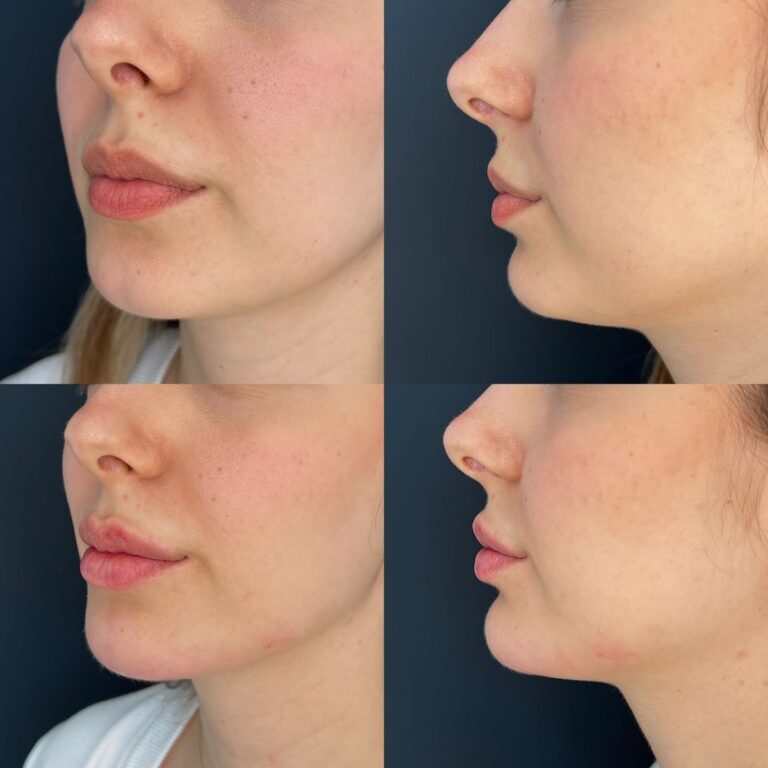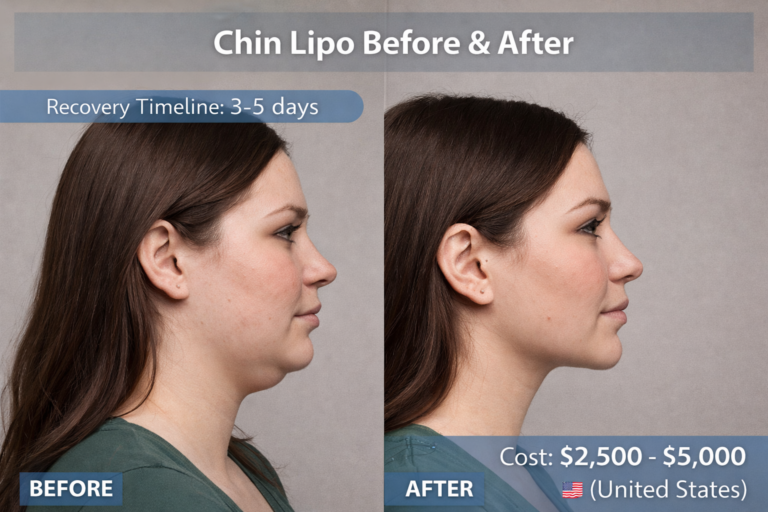
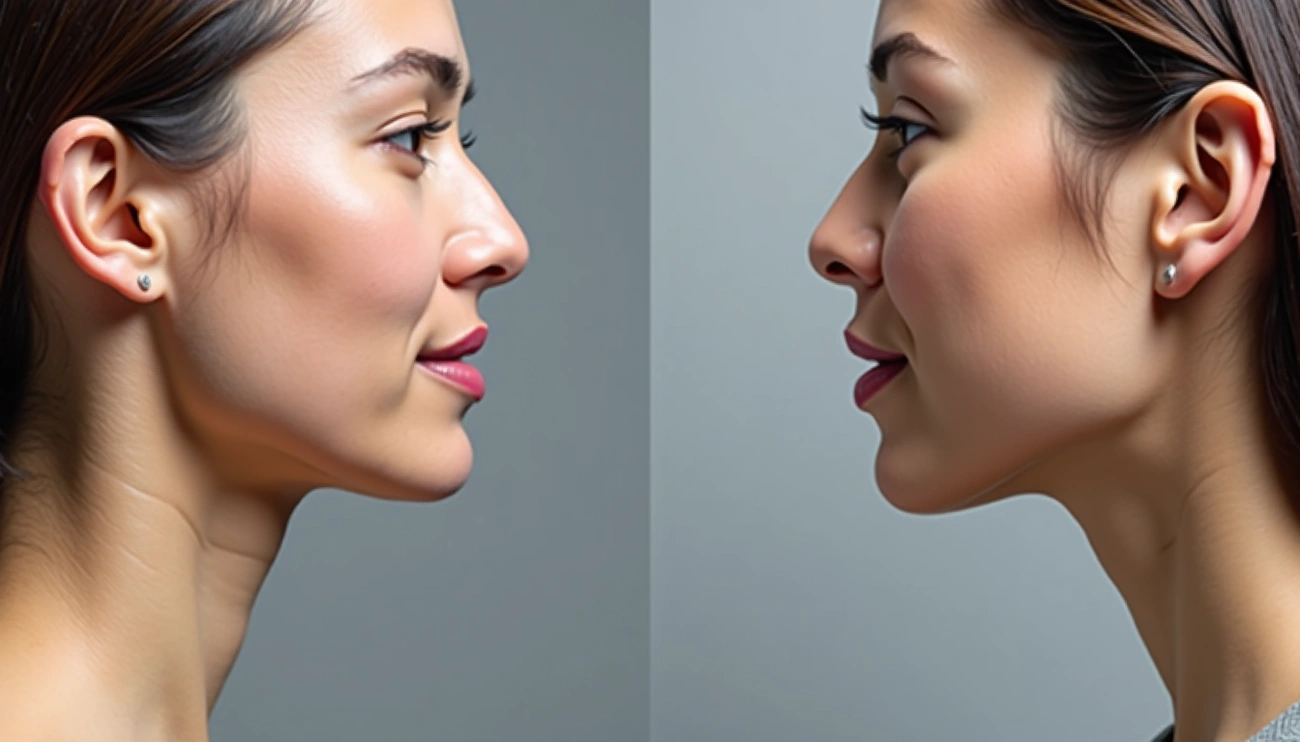
Scrolling through before and after chin lipo photos online can leave you wondering which results are actually realistic. Heavily filtered images and carefully angled shots make it difficult to understand what chin liposuction truly delivers, particularly when you’re trying to set realistic expectations for your own procedure.
The actual outcome of chin lipo depends on several factors, including your anatomy, skin quality, and the amount of fat present. This guide breaks down what real results look like, how to evaluate authentic photos, and why some people achieve more dramatic improvements than others.
What Chin Lipo Actually Does
Chin liposuction removes fat through a minimally invasive surgical technique that targets the submental area beneath your chin. The procedure typically requires 3 small incisions strategically hidden underneath the chin and behind each ear. A thin metal tube called a cannula gets inserted through these incisions to suction out unwanted fat cells permanently.
How the procedure removes fat
The surgeon begins by flooding the chin area with a tumescent solution that plumps up the fat cells for easier removal while providing additional numbing to the treatment zone. This fluid makes the extraction process more controlled and precise. The cannula then moves through the submental region, breaking up and removing fat deposits that have resisted diet and exercise.
The entire process takes 30 to 60 minutes. Surgeons can perform the procedure under local anesthesia in an outpatient setting, which keeps the experience comfortable without requiring general anesthesia. The removed fat cells never return, making the results permanent as long as you maintain a stable weight. Your body can still create new fat cells if you gain significant weight, and these may appear in the chin area.
The difference between chin lipo and neck lift
Chin lipo addresses isolated pockets of excess fat, while a neck lift targets loose skin and tightens underlying muscles. This distinction matters when evaluating before and after chin lipo photos. If you have good skin elasticity, liposuction alone can create a tighter, more contoured neckline. The skin naturally molds itself to the new shape after fat removal.
Patients without sufficient skin elasticity may experience sagging skin after liposuction, potentially creating a “turkey neck” appearance. In such cases, a neck lift becomes necessary. This procedure is more invasive than liposuction and involves tightening the platysma muscle and removing excess skin. Neck lifts require a longer recovery period compared to the 3-4 days typically needed for chin lipo.
Some surgeons combine both techniques when patients present with both excess fat and mild skin laxity. The neck lift may include liposuction for fat removal plus skin and muscle tightening for more dramatic improvement.
What changes you can see in photos
Authentic before and after chin lipo photos show several specific improvements. The most apparent change is double chin reduction, which makes the face appear slimmer. You’ll notice a sharper, more defined jawline where fullness previously obscured the natural bone structure.
Profile views reveal the most dramatic transformation. The procedure creates a smoother transition between the chin and neck, improving what surgeons call the cervicomental angle. Patients often see major improvements in jaw line definition. The neck contour becomes more elegant and taut, eliminating the rounded appearance that excess submental fat creates.
Results continue to refine as swelling subsides. Patients notice improvements once initial swelling begins to decrease, with full results appearing around 2 to 3 months after the procedure. Photos taken at the 3-month mark typically show the final outcome, displaying the complete extent of jawline sharpening and neck contouring the procedure delivers.
Factors That Affect Your Before and After Results
Not everyone achieves the same level of improvement from chin liposuction. Your individual anatomy, tissue quality, and physical characteristics determine how dramatic your before and after chin lipo transformation will appear.
Your neck and jaw anatomy
Your neck structure resembles an upside-down teepee. The mandible forms the base, the hyoid bone sits at the top as part of the larynx, and your skin creates the walls. Between these layers, two distinct fat deposits exist: superficial fat and deep fat, separated by the platysma muscle.
The hyoid bone position plays a role no surgeon can modify. Patients with a high and posteriorly positioned hyoid achieve superior results. Surgeons perform liposuction down to the hyoid level but cannot remove anything beneath it. This anatomical limitation explains why some people maintain persistent fullness even after fat removal.
A recessive mandible or chin creates the false appearance of a double chin. In these cases, excess fat may not be the problem. Instead, the recessed bone structure compresses existing fat, making the area appear fuller. Patients with this anatomy often need a chin implant alone or combined with liposuction to address the root cause.
Skin quality and elasticity
Collagen and elastin proteins determine skin elasticity. These proteins create a tightly-knit network beneath the epidermis that allows skin to stretch and return to its normal state. High protein levels produce firm, plump, youthful skin that conforms smoothly after fat removal.
Elastosis occurs as collagen and elastin production slows with age. The protein network loosens, reducing elasticity and increasing laxity. Skin prone to laxity sags and develops wrinkles. When liposuction removes fat from beneath skin with low elasticity, the underlying framework destabilizes further. The skin appears loose and droopy rather than taut.
Surgeons use the pinch test during consultations. They pinch and hold the skin for 5 seconds, then monitor how long it takes to flatten. Longer recovery time indicates higher laxity and lower elasticity. Patients with significant laxity benefit from neck lift or skin excision procedures rather than liposuction alone.
Age considerations
Forty serves as a generic cutoff for optimal liposuction candidates. Younger patients typically possess better skin elasticity and experience increased tightening when skin adheres to the platysma after fat removal. This natural contraction defines and sharpens the jawline.
Patients in their 20s and 30s have resilient skin that bounces back easily. Strong elasticity leads to smooth, defined results with minimal additional treatments. In contrast, patients in their 50s may have lost natural firmness. The skin responds differently after fat removal, producing softer outcomes. Some require combining chin liposuction with non-surgical skin tightening.
Older patients experience longer recovery periods. The body’s healing processes slow over time, resulting in increased bruising, swelling, and prolonged adjustment. Metabolic changes also affect fat distribution patterns.
Amount of fat present
Genetics primarily determines submental fat accumulation. Many patients maintain excellent health, healthy BMI, and exercise regularly but still develop fat beneath the chin. Diet and exercise cannot eliminate these genetically predisposed deposits.
Chin liposuction requires sufficient fatty tissue to warrant the procedure. Patients need localized fat deposits rather than diffuse fullness. The procedure works best for individuals at or near their ideal weight with stable body mass. Significant weight fluctuations after surgery affect results.
Balance matters during fat removal. Extracting too little leaves the double chin visible. Removing excessive amounts creates hollow, unnatural contours.
What to Look for in Real Before and After Photos in 2026
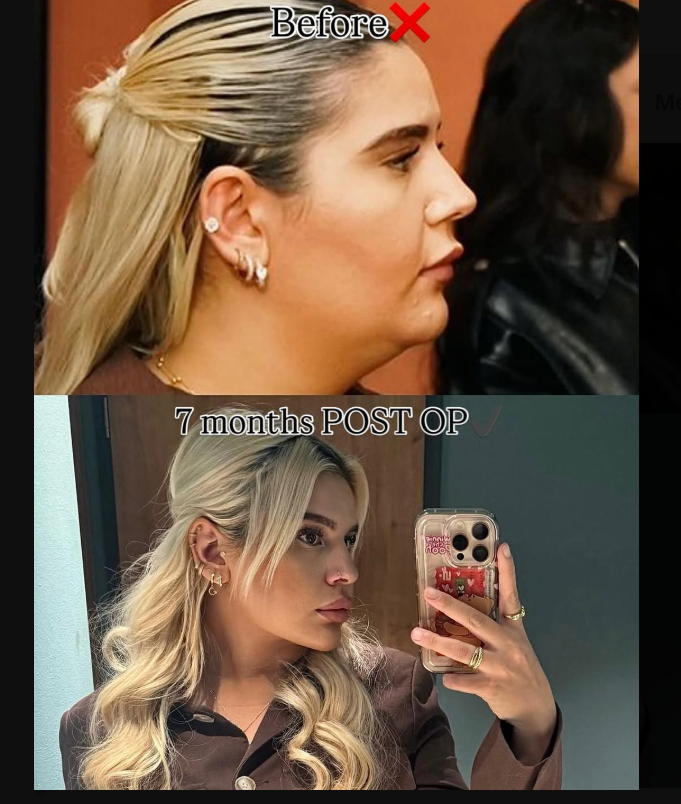
Evaluating before and after chin lipo photos requires understanding what you’re actually seeing. Photos taken at different stages tell vastly different stories about the procedure’s outcome.
Immediate results vs. final results
Immediate postoperative photos may show swelling and bruising. These images don’t represent the final outcome. Swelling can persist for several months, obscuring the true contour improvements. Photos taken days or weeks after surgery provide better insight than immediate post-op images.
Final results appear around 3 months after the procedure when swelling fully subsides. The follow-up photos should show improvement over time. Incisions remain visible for one to two years before they fade. If you see zero scars in photos claiming to be only weeks or months postoperative, that’s abnormal.
How to spot authentic photos
Authentic medical photography uses standard views with standardized lighting and camera angles. Pay attention to the positioning of the patient’s head and neck in both sets of images. Consistent positioning allows for accurate assessment of improvements.
Look for photos taken in similar lighting conditions. Overhead lighting in before photos and flash in after photos creates deceptive shadows that make results appear more dramatic than reality. Features like wrinkles and scarring appear accentuated with overhead lighting but disappear with straight-on lighting or flash.
Camera angles matter significantly. Photos captured from various angles provide a comprehensive view. Frontal and profile views showcase chin contour changes most accurately. A downward viewpoint creates a far different picture than viewing the subject straight on.
Check whether the patient’s expression and posture match between photos. Patients sometimes stick their neck up or smile in after photos, which changes the appearance. Clinical photos should maintain the same poses, angles, lighting, background, and camera settings.
Common signs of good results
After photos should show improvements in chin and jawline definition along with a smoother, more contoured profile. A successful procedure results in significant reduction of fat beneath the chin, creating a more sculpted appearance. The overall neck profile should demonstrate noticeable improvement.
Seek out reviews and testimonials from previous patients whose photos you’re reviewing. Patient experiences should match the results shown in the photos.
Red flags in before and after images
Over-smoothing or plastic-looking skin indicates filtering or airbrushing. Real skin has texture, pores, and fine lines. If skin appears blurry, poreless, or too flawless, the photo has been manipulated.
Drastic changes with zero signs of swelling, bruising, or normal healing could be AI-generated or heavily edited. Photos that look too phenomenally good to believe probably aren’t true. Board-certified plastic surgeons display realistic, honest examples of their work.
Before photos showing washed-out patients without makeup next to vibrant after photos with full makeup create misleading comparisons. Images using different lighting conditions or careful cropping to hide incomplete results should raise suspicion.
Timeline of Results: What Happens When
Understanding when you’ll see your before and after chin lipo transformation helps set realistic expectations during recovery. The changes unfold gradually as swelling resolves and tissues settle into their new contours.
Right after surgery
You’ll leave the surgical center the same day wearing a compression garment wrapped around your chin and head. This garment reduces swelling and helps skin adhere to your new contours. Swelling begins immediately, though you can see some initial improvements before it fully develops. The treated area feels numb, tight, and tender. Discomfort peaks on the first day but remains manageable with pain medication. Bruising appears on the lower neck and sometimes extends down to the chest.
First week of recovery
Swelling and bruising peak within 48 to 72 hours after surgery. About 80-90% of patients experience their peak swelling during this time Sutures get removed around day two or three. By day four through seven, swelling typically subsides by about 50%. Around 70% of patients feel ready to resume light activities like short walks or return to desk jobs by this point. Most patients return to work within three days. If you schedule your procedure on Friday, you’ll likely be back at work by Monday. The compression garment stays on for two days minimum, up to seven days maximum for most patients. By week’s end, 85% of people feel comfortable enough to return to their social lives.
One month results
Most visible swelling resolves by the end of the first month, though subtle puffiness may persist. Your chin and neck contours become noticeably more defined as residual swelling continues decreasing. Some patients still experience mild numbness or firmness in the treated area. You can see clearer improvements with each passing day. The jawline appears more sculpted, though results continue refining.
Three to six months final results
Final results appear around the three-month mark when about 90% of swelling has resolved. A significant 92% of patients report seeing their full jawline sculpting by three months. Your skin completes its tightening process, and underlying tissues fully settle. By six months, results are considered final. The jawline appears sharp and defined, with all residual swelling completely gone.
Why Some People Get Better Results Than Others
The variation in before and after chin lipo outcomes stems from specific candidate qualifications and anatomical realities that no surgical technique can overcome.
Ideal candidate characteristics
Good overall health forms the foundation for successful results. Patients need freedom from medical conditions that increase surgical risk or impair healing, such as uncontrolled diabetes, heart disease, or blood clotting disorders. Smoking significantly impairs circulation and wound healing, requiring complete cessation for several weeks before and after the procedure.
Weight stability matters more than your current number on the scale. Chin liposuction works best for individuals at or near their ideal weight with localized fat deposits. The procedure targets stubborn fat resistant to diet and exercise, not overall weight reduction. Maintaining results requires staying within your target body weight and living a healthy lifestyle.
Realistic expectations separate satisfied patients from disappointed ones. The procedure enhances your natural profile and creates more defined contours but won’t change your bone structure or eliminate sagging skin [9]. Understanding these limitations prevents unrealistic expectations that lead to dissatisfaction.
Anatomical limitations
The platysma muscle creates challenges when performing aggressive liposuction. Removing too much fat can reveal the platysma, leading to visible lines when you look up. In older patients, this muscle often shows through already, aging the neck despite fat removal.
Deep neck fat requires a completely different approach. This fat sits below the platysma muscle and cannot be addressed through standard liposuction. Removing it requires a large incision and opening the platysmal muscle in what’s called a deep neck lift.
The role of the hyoid bone
Hyoid bone position dictates your potential outcome more than any other factor. Patients with a high and posteriorly positioned hyoid achieve the best results. Surgeons perform liposuction down to the hyoid level but cannot remove anything deep to that structure.
A low hyoid bone drastically limits what chin lipo can accomplish. When your hyoid rests lower than your chin, neck shape results from muscles being pulled downward rather than just fat. Class VI patients have abnormally low hyoids, and no effective procedures exist to elevate this bone. These patients need preoperative counseling because surgical results will likely be less than optimal.
When additional procedures are needed
Significant skin laxity requires combining chin liposuction with a neck lift or skin tightening procedure. Removing fat alone from loose skin creates worse-looking results, as the sagging skin won’t tighten and bounce back. The skin can appear looser overall after fat removal.
Combining procedures adds complexity but allows surgeons to address both fat and loose skin for balanced outcomes. Patients with multiple esthetic concerns benefit from this approach on the condition that they understand extended recovery time. Recovery involves swelling and bruising in more areas since side effects occur everywhere the surgeon works.
Conclusion
Chin liposuction delivers real, lasting improvements when you’re the right candidate. Your individual anatomy, skin quality, and age play equally important roles in determining your final outcome. Before committing to the procedure, thoroughly evaluate authentic before and after chin lipo photos using proper lighting and angles, not filtered or manipulated images.
Set realistic expectations by understanding your anatomical limitations. Consult with a board-certified plastic surgeon who can honestly assess whether you’ll benefit from liposuction alone or need additional procedures. With the right approach and qualified surgeon, you can achieve the defined jawline and contoured profile you’re looking for.
Disclaimer: The information provided in this article is strictly for educational and informational purposes only and should not be construed as medical advice. Always consult with a board-certified plastic surgeon or qualified healthcare professional before making any decisions regarding chin liposuction or other medical procedures.
Reference:
- U.S. Food and Drug Administration (FDA) – Liposuction Information: https://www.fda.gov/medical-devices/surgery-devices/liposuction

Sarah Mitchell is a dedicated aesthetic researcher with over a decade of experience analyzing cosmetic procedures. Obsessed with data and safety, she empowers patients with verified facts, realistic before-and-after results, and honest cost breakdowns.