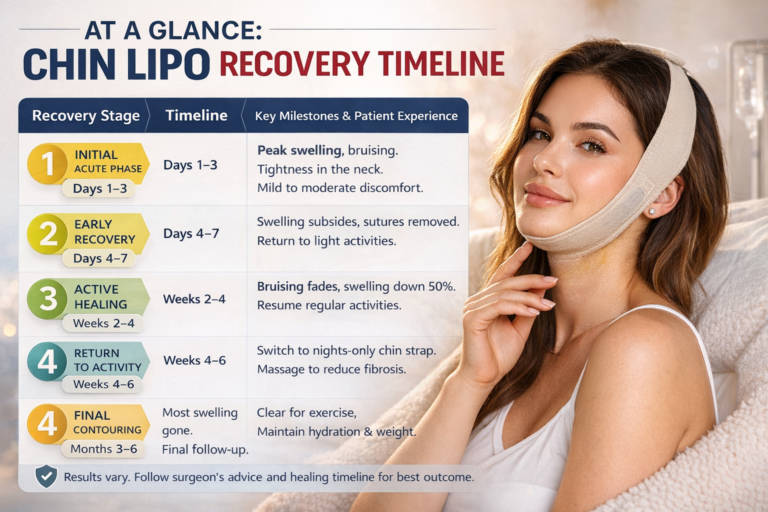
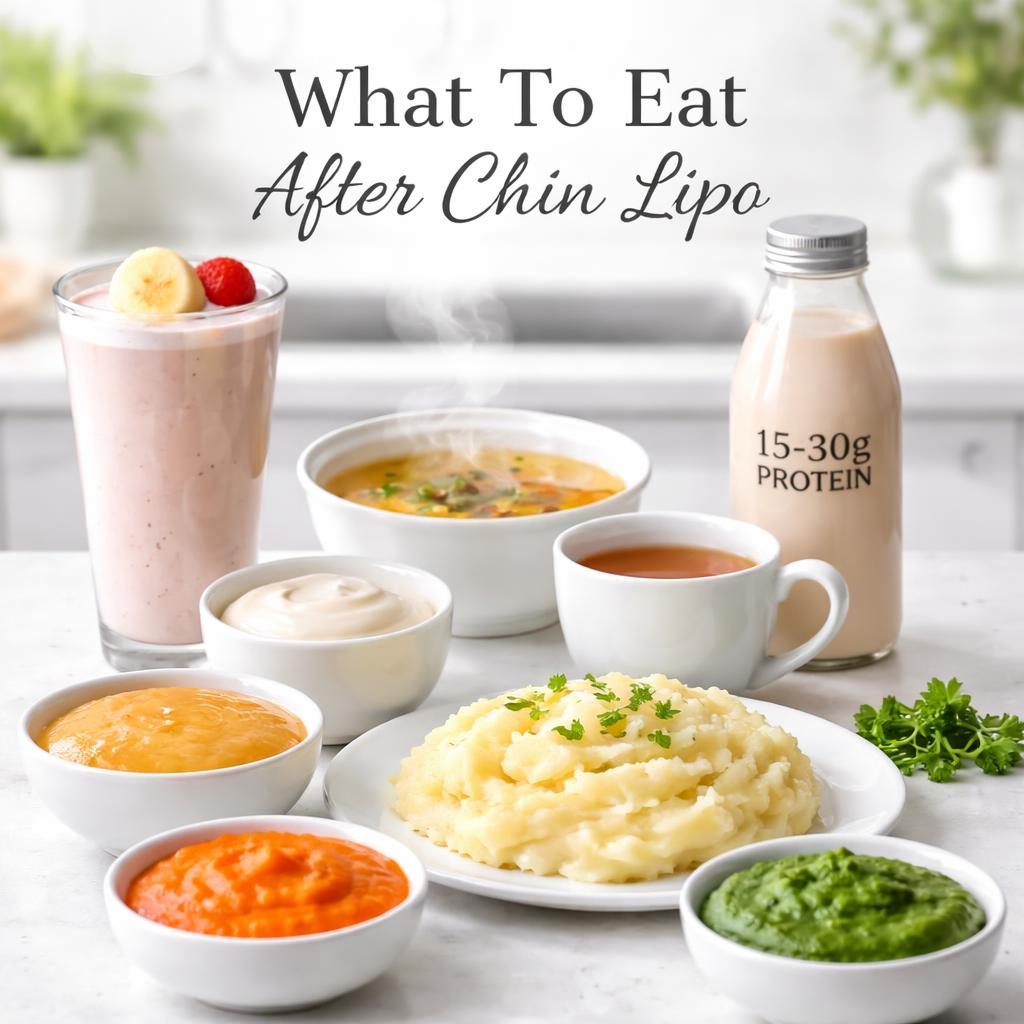
After chin lipo, you want foods that cut swelling, support tissue repair, and feel easy to eat when your jaw is sore. Choose soft, nutrient-rich options like smoothies, broths, yogurt, and mashed vegetables to reduce strain on the treated area while giving your body the protein, vitamins, and fluids it needs to heal.
This guide will walk you through what to eat right away, which foods speed recovery, which to avoid, and simple meal tips that fit different diets. Follow practical steps so you can recover more comfortably and get back to your normal routine.
Immediate Post-Op Dietary Guidelines in 2026
Start with gentle, easy-to-swallow foods and focus on fluids. Prioritize protein, electrolytes, and anti-inflammatory choices while avoiding hard, crunchy, or acidic items that can irritate the surgical area.
These early nutrition steps help control swelling and support tissue repair during the most sensitive stage after surgery. If you want a detailed breakdown of what happens each day after the procedure, including swelling stages and when normal activities resume, read our complete chin lipo recovery timeline guide.
Recommended Foods for What to Eat After Chin Lipo in First 24 Hours

Choose liquids and soft foods that require no chewing. Good options include:
- Smoothies made with protein powder, yogurt, and soft fruits (avoid seeds).
- Clear broths and bone broth for sodium and collagen support.
- Protein shakes or meal-replacement drinks (look for 15–30 g protein).
- Plain yogurt, applesauce, mashed potatoes, and pureed vegetables.
Eat small portions every 2–3 hours to keep energy steady. Use a straw only if your surgeon permits it; straws can create suction that stresses the surgical site. Chewable supplements are fine later, but avoid them immediately after surgery.
Hydration and Fluid Intake
Aim for 8–10 cups (about 2–2.5 liters) of fluids the first day unless your surgeon tells you otherwise. Prioritize:
- Water as your main fluid.
- Oral rehydration drinks or electrolyte solutions if you feel lightheaded.
- Warm herbal tea and clear broth for comfort.
Sip slowly and steadily. Avoid alcohol, caffeine in large amounts, and very hot drinks for at least 48 hours, as they can increase swelling or interact with pain medications.
Foods to Avoid After Surgery
Do not eat anything that requires heavy chewing or risks irritation. Avoid:
- Tough meats, nuts, chips, and raw crunchy vegetables.
- Acidic foods like citrus, tomato products, and spicy sauces.
- Sticky or hard candies and gum that force jaw movement.
Also avoid alcohol, aspirin, and supplements that increase bleeding risk (vitamin E, fish oil) unless your surgeon approved them. If you have trouble swallowing or show signs of infection, contact your surgeon immediately.
Soft and Easy-to-Eat Foods After Chin Lipo 2026 Update
Choose foods that limit chewing, reduce jaw movement, and supply protein, fluids, and vitamins to help healing. Focus on soft textures, mild temperatures, and items you can eat without opening your mouth wide.
Best Options for Minimal Chewing

- Mashed potatoes and sweet potatoes. Make them smooth and add a little olive oil or butter for calories and healthy fat. Salt lightly and avoid hot steam that can irritate soreness.
- Yogurt, cottage cheese, and ricotta. Pick plain or lightly sweetened versions for protein and ease of swallowing. Greek yogurt has more protein per spoonful.
- Soft scrambled eggs or egg custard. Cook eggs gently so they stay moist. They give you protein without chewing.
- Applesauce, mashed banana, and ripe pear purée. These provide fiber and gentle carbohydrates.
- Oatmeal, cream of wheat, and polenta. Cook until very soft and thin them with milk or broth so you don’t need to chew.
- Avoid crunchy, tough, or sticky foods like chips, crusty bread, or jerky until your surgeon clears you.
Nutrient-Rich Smoothies and Soups
Smoothies and soups give you calories, protein, and fluids while keeping jaw movement low.
- Smoothie formula: 1 scoop protein powder, 1 cup milk or fortified plant milk, ½ cup soft fruit (banana or berries), 1 tbsp nut butter or avocado. Blend until totally smooth.
- Bone broth and blended soups: Use bone broth for collagen and minerals. Puree cooked vegetables (carrot, squash, potato) with stock until silky.
- Add-ins for healing: Collagen powder, unflavored protein powder, Greek yogurt, or soft tofu boost protein. A small spoon of turmeric or ginger can help inflammation.
- Serving tips: Serve lukewarm, not hot, to avoid discomfort. Drink slowly and use a wide straw or spoon to control intake.
Foods That Promote Healing and Reduce Swelling
Focus on foods that cut inflammation, supply protein, and give key vitamins and minerals for tissue repair and immune support. Drink plenty of water to help reduce swelling and carry nutrients to the surgical site.
Anti-Inflammatory Diet Choices
Choose fatty fish like salmon or mackerel twice a week for omega-3s that lower swelling. Eat a handful of walnuts or chia seeds each day as plant-based sources of anti-inflammatory fats.
Fill half your plate with colorful vegetables—bell peppers, spinach, and broccoli—for antioxidants that calm inflammation. Berries (strawberries, blueberries) work well as snacks and provide polyphenols that reduce oxidative stress.
Avoid processed foods, high-sugar snacks, and salty ready meals for at least two weeks after surgery. These increase inflammation and fluid retention. Limit alcohol and more than one cup of caffeine daily while you heal.
Vitamins and Minerals Essential for Recovery
Protein helps rebuild tissues. Aim for lean proteins such as chicken, turkey, eggs, Greek yogurt, and legumes at each meal. If you use protein powder, choose one low in additives.
Vitamin C supports collagen and wound healing. Eat citrus fruits, strawberries, and red bell peppers. Zinc helps cell repair—good sources include oysters, beef, pumpkin seeds, and lentils.
Iron prevents fatigue and supports oxygen delivery to healing tissue. Include lean red meat, spinach, or fortified cereals, and pair them with vitamin C to boost absorption.
Vitamin A (sweet potatoes, carrots) supports skin repair. Stay within recommended amounts; avoid high-dose supplements unless your doctor approves.
Protein Sources for Tissue Repair
Protein helps rebuild tissue, reduce swelling, and support immune function. Aim for high-quality protein at every meal to speed healing and keep your energy steady.
Lean Proteins and Their Benefits
Choose lean animal proteins like skinless chicken, turkey, white fish (cod, haddock), and lean beef. These provide complete amino acids your body needs for collagen and new tissue. A 3-ounce cooked portion of chicken or fish gives about 20–25 grams of protein, which is useful for planning meals.
Eggs and low-fat dairy (Greek yogurt, cottage cheese) give protein plus vitamin B12 and calcium, which support cell repair and bone health. Try simple servings: a hard-boiled egg with toast, a cup of Greek yogurt with fruit, or a small grilled chicken breast with steamed vegetables.
Limit processed meats and high-saturated-fat cuts. They can increase inflammation and slow recovery. Focus on cooking methods like baking, grilling, or steaming to keep meals light and healing-focused.
Plant-Based Protein Alternatives
If you prefer plants, pick soy products (tofu, tempeh) and legumes (lentils, chickpeas, black beans). These pack significant protein and provide fiber to reduce constipation, a common post-surgery issue. A half-cup of cooked lentils or tofu typically supplies 8–12 grams of protein.
Combine grains and beans for complete amino acids—try brown rice with black beans or whole-wheat pita with hummus. Nuts and seeds (chia, hemp, almonds) add protein and healthy fats; use them as snacks or toppings rather than large portions because they are calorie-dense.
Pay attention to iron and B12 when you avoid animal products. Include fortified cereals, nutritional yeast, or a doctor-recommended supplement if tests show low levels.
Fruits and Vegetables for Optimal Recovery in 2026
Choose fruits and vegetables that give vitamin C, antioxidants, fiber, and water to help reduce swelling and support skin repair. Focus on specific items you can add to meals or snacks each day.
Fruits to Boost Healing
Eat citrus like oranges and grapefruit for vitamin C, which helps collagen form and heals tissues. A medium orange gives about 70 mg of vitamin C, enough to support daily repair needs.
Add berries — strawberries, blueberries, and raspberries — for antioxidants that lower inflammation. A half-cup of berries is an easy snack and mixes well into yogurt or oatmeal.
Include pineapple for bromelain, an enzyme that may reduce swelling when eaten regularly. Fresh pineapple chunks or a small cup of canned pineapple in juice work well.
Choose apples and pears for fiber to keep digestion regular while you take pain meds. Slice an apple with nut butter for protein and steady energy during recovery.
Vegetables That Support Recovery
Eat dark leafy greens like spinach and kale for vitamins A, C, and K. These vitamins help skin health and clotting. Add a cup of raw spinach to smoothies or salads.
Include broccoli and bell peppers for extra vitamin C and fiber. Roast broccoli or chop bell peppers into stir-fries to make meals more nutrient-dense without extra salt.
Choose cruciferous vegetables like Brussels sprouts for antioxidants and sulfur compounds that support detox pathways. Steam them lightly to preserve nutrients and make swallowing easier if you have jaw soreness.
Add hydrating vegetables such as cucumber and celery to keep fluid levels steady and reduce swelling. Snack on cucumber slices with hummus for a simple, low-calorie option.
Foods and Habits to Avoid After Chin Lipo in 2026
Limit anything that raises swelling, slows tissue repair, or forces a lot of chewing. Focus on soft, low-sodium, and low-sugar options while you heal.
Processed and Salty Foods
Avoid processed meats (deli slices, sausages), canned soups, instant noodles, and packaged sauces. These items often contain high sodium, which causes fluid retention and increases swelling around your chin. Check labels: aim for less than 300 mg sodium per serving when possible.
Also skip fried snacks, chips, and fast-food meals. They can raise inflammation and slow healing. Choose plain, soft proteins like poached chicken, scrambled eggs, or mashed beans instead. These are easier to chew and support tissue repair without adding extra salt or unhealthy fats.
Beverages That May Interfere with Healing
Cut back on alcohol for at least 48–72 hours, and longer if your surgeon advises. Alcohol thins blood and can increase bleeding, bruising, and dehydration, which all harm recovery.
Avoid sugary sodas, energy drinks, and excessive caffeine. Sugar can promote inflammation and weight gain that affects your results. Caffeine dehydrates and may interact with pain meds. Drink water, herbal tea, or low-sodium broths to stay hydrated and support proper healing.
Meal Preparation Tips for Post-Surgery Comfort
Focus on soft, anti-inflammatory, and nutrient-dense foods that are easy to eat and reheat. Prepare meals in ways that cut down on chewing, limit swelling triggers, and make eating simple when your appetite is low.
Batch Cooking Ideas
Cook large batches of soft, protein-rich foods so you can warm single portions quickly. Examples: shredded poached chicken, flaked baked salmon, and stewed lentils. Make a big pot of bone broth or vegetable broth; use it for soups, soft grains, and to rehydrate quick meals.
Freeze individual portions in clear, labeled containers or silicone bags. Portion sizes of 1–2 cups work well. Cool meals in shallow containers before freezing to preserve texture and flavor. For same-week use, store in the fridge and eat within 3–4 days.
Prep simple sides that reheat well: mashed potatoes, pureed sweet potatoes, and well-cooked rice or quinoa. Blend or mash vegetables into smooth soups or purees you can sip or eat with a spoon.
Safe Food Storage During Recovery
Label containers with the dish name and date to avoid guesswork when you’re tired or medicated. Use airtight containers to keep foods moist and prevent freezer burn. If you plan to refrigerate, follow a 3–4 day rule for cooked proteins and mixed dishes.
When reheating, bring food to steaming hot (165°F / 74°C) and stir to remove cold spots. Use the microwave on medium power for even heating, or reheat on the stove with a splash of broth to keep textures soft. Never refreeze fully thawed meals; instead cook them within 24 hours of thawing.
Keep ready-to-eat soft snacks—Greek yogurt, applesauce, hummus—in single-serve containers. Discard any food that smells off, looks separated, or has been at room temperature more than two hours.
Managing Appetite and Eating With Physical Restrictions
Expect appetite changes and limits on chewing or neck movement after chin lipo. Focus on easy-to-eat, nutrient-dense foods and safe swallowing techniques while you heal.
Dealing with Changes in Appetite
After surgery you may feel less hungry or have sudden hunger spikes from pain meds or stress. Eat small, frequent portions every 2–3 hours to keep energy steady and to avoid large meals that strain healing tissues.
Choose high-protein, soft options like Greek yogurt, cottage cheese, protein shakes, and mashed beans. These support tissue repair and are easy to eat. Keep snacks ready: boiled eggs, ricotta on whole-grain toast (cut into small pieces), and soft fruit like ripe bananas or canned peaches.
Watch sodium and spicy foods. They can increase swelling and make you feel sluggish. Drink water between meals; aim for 8–10 cups daily unless your surgeon tells you otherwise.
Swallowing and Chewing After Chin Lipo
Reduce wide mouth movements and heavy chewing for the first 5–7 days to avoid pulling on treated areas. Use a straw for cold drinks only if your surgeon approves; otherwise sip from a cup to control neck motion.
Prefer foods that require minimal chewing:
- Smoothies, blended soups, and protein shakes
- Pureed vegetables and mashed potatoes
- Soft-cooked fish, shredded chicken, and tofu
Cut solid foods into small, bite-sized pieces and chew slowly with minimal jaw opening. If you feel pain when swallowing or notice persistent difficulty, contact your surgeon right away. Gentle jaw exercises may be suggested later; follow their timeline exactly to avoid complications.
Cultural and Dietary Preferences Post-Chin Lipo
Focus on protein, anti-inflammatory foods, and soft textures that match your cultural diet and personal restrictions. Plan meals and snacks that reduce chewing, limit sodium, and support healing.
Vegetarian and Vegan Dietary Suggestions
If you follow a vegetarian or vegan diet, choose soft, high-protein options to support tissue repair. Examples: silken tofu smoothies, blended legumes like lentil soup pureed smooth, mashed chickpeas with olive oil, hummus thinned with broth, and plant-based protein shakes. Aim for 20–30 grams of protein per meal when possible.
Include anti-inflammatory foods that fit your diet: cooked leafy greens, mashed sweet potato, mashed avocado, and ground flax or chia seeds mixed into yogurt alternatives or puddings. Avoid hard, crunchy foods for the first week and limit very salty or spicy dishes that can increase swelling.
Watch iron and B12 intake. If you rely on plant sources, eat iron-rich foods with vitamin C (e.g., pureed spinach + orange juice) and follow your provider’s advice on B12 supplements. Prepare meals ahead so you don’t need to chew much while swelling is highest.
Gluten-Free and Allergy-Friendly Diet Tips
If you need gluten-free or allergy-friendly options, pick naturally soft, single-ingredient foods to lower irritation risk. Good choices include plain cooked rice porridge (congee), pureed root vegetables, strained bone or vegetable broths, and mashed bananas or applesauce.
For protein, use well-cooked lentils (pureed if needed), soft scrambled eggs, canned salmon or tuna mashed with olive oil, and gluten-free protein powders blended into smoothies. Label-read all packaged items to avoid hidden gluten, dairy, soy, or nuts based on your allergies.
Keep snacks simple and safe: plain yogurt alternatives (check cross-contact warnings), peeled and boiled fruits, and gel-based desserts made from agar or gelatin if allowed. Have an allergy action plan and easy-to-open packaging to avoid long prep while you heal.
Transitioning Back to a Normal Diet
Start with liquids and very soft foods, then add firmer items as swelling and pain ease. Focus on protein, fiber, fluids, and foods that reduce inflammation while avoiding heavy chewing and hard, crunchy items until cleared.
Gradually Reintroducing Foods
Begin with clear broths, smoothies, yogurt, and mashed potatoes for the first 3–7 days. These need little to no chewing and lower the chance of straining your jaw or disrupting dressings.
Move next to soft eggs, flaky baked fish, and well-cooked pasta when you can open your mouth more comfortably. Eat small portions and stop if you feel tightness or sharp pain.
Introduce chewable foods like chicken, raw vegetables, and nuts only after swelling and tenderness drop and your surgeon gives the okay. Chew slowly and use both sides of your mouth. If bruising or numbness persists, delay tougher foods for another week.
Long-Term Nutrition for Best Results
Aim for 20–30 grams of protein at meals for the first two weeks to support tissue repair. Choose lean meats, eggs, Greek yogurt, beans, or protein shakes if chewing is still hard.
Keep salt low to reduce swelling; use herbs and lemon for flavor instead. Drink 8–10 cups of water daily to help circulation and healing.
Add antioxidant-rich fruits and vegetables, like berries, spinach, and bell peppers, to lower inflammation and support skin recovery. Maintain a balanced plate of protein, whole grains, and colorful veggies as you return to your usual diet to help preserve surgical results.
Many patients who research recovery and diet after surgery also want to understand the financial side of the procedure. If you are planning the treatment or comparing clinics, check our detailed guide on how much chin liposuction costs, including pricing factors, surgeon fees, and average costs in different locations.
Official & Medical Reference
U.S. Food and Drug Administration (FDA) – Cosmetic & body contouring device guidance (not chin-lipo specific but credible FDA source):
https://www.fda.gov/medical-devices/aesthetic-cosmetic-devices/non-invasive-body-contouring-technologies/
- American Society of Plastic Surgeons – Liposuction overview & safety
https://www.plasticsurgery.org/cosmetic-procedures/liposuction/ - Mayo Clinic – Liposuction explanation and risks
https://www.mayoclinic.org/health/liposuction/SN00009 - Healthdirect.au – National health advice on liposuction (Australia)
https://www.healthdirect.gov.au/liposuction - WebMD – Cosmetic surgery safety & expectations
https://www.webmd.com/beauty/cosmetic-procedure-liposuction
Disclaimer:
This article is for educational and informational purposes only and does not constitute medical advice. The information provided should not be used as a substitute for professional medical consultation, diagnosis, or treatment. Always consult a qualified healthcare provider or board-certified plastic surgeon regarding any questions you may have about chin liposuction, recovery, or post-surgery care.

Sarah Mitchell is a dedicated aesthetic researcher with over a decade of experience analyzing cosmetic procedures. Obsessed with data and safety, she empowers patients with verified facts, realistic before-and-after results, and honest cost breakdowns.